
Manta Ray Snorkeling in Nusa Penida
Best Spots, Travel Tips, and What to Expect
If swimming alongside giant manta rays is on your Bali bucket list, Nusa Penida is one of the best places in Southeast Asia to make it happen.
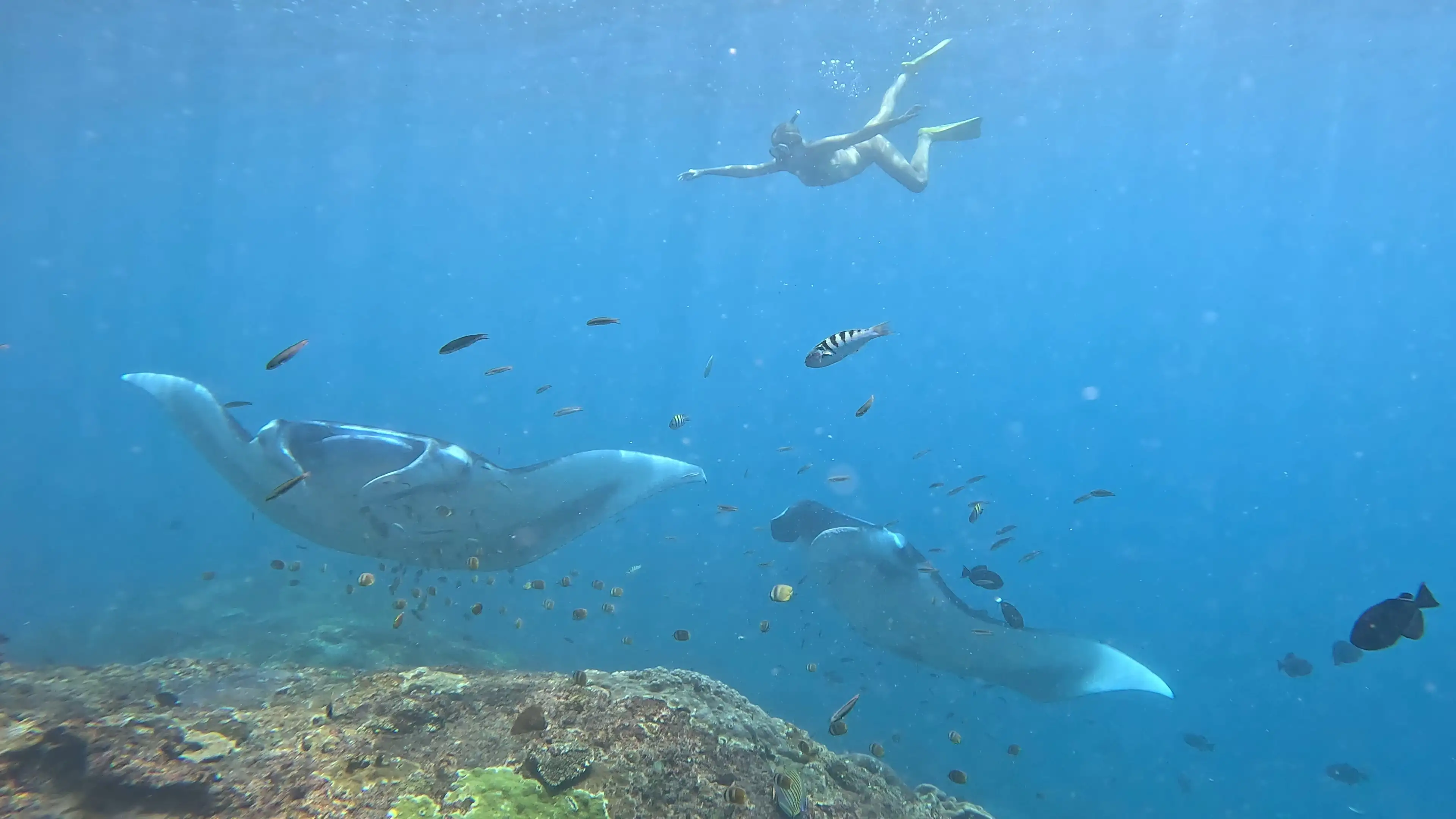
Located just off the coast of Bali, this rugged island is famous for its dramatic cliffs, turquoise bays, and rich marine biodiversity. But for many travelers, the real highlight lies beneath the surface. Manta ray snorkeling in Nusa Penida offers a rare chance to witness these graceful ocean giants in their natural habitat, often just meters away.
Whether you’re a first-time snorkeler or a seasoned ocean explorer, this guide will walk you through the best manta spots, when to go, what to expect, and how to plan a smooth snorkeling trip.
Why Nusa Penida Is Famous for Manta Rays
Nusa Penida sits along powerful ocean currents that bring nutrient-rich waters to its reefs. This creates a perfect environment for manta rays, which regularly visit the area to feed and clean themselves.
Unlike aquariums or artificial encounters, manta snorkeling here happens entirely in the wild. These animals are free-ranging, and every sighting feels authentic and unforgettable.
What makes Nusa Penida special is consistency. While manta rays can appear in several parts of Indonesia, this island offers one of the highest chances of encounters year-round, especially during morning sessions.
The Two Main Snorkeling Spots: Manta Point vs Manta Bay
Most manta ray tours in Nusa Penida visit one or both of these locations.
Manta Point
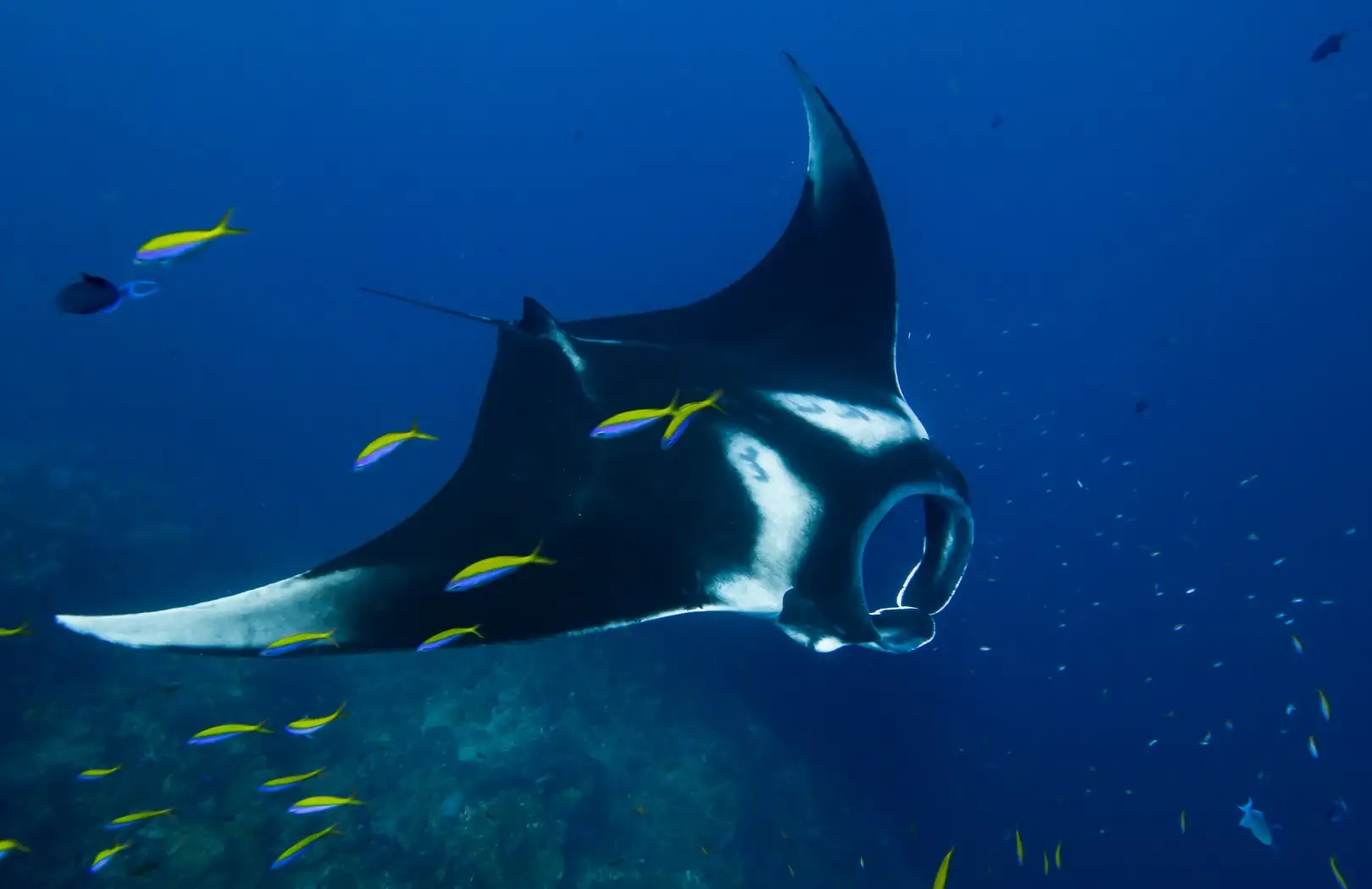
Manta Point is widely considered the top manta ray snorkeling site on the island.
This area functions as a natural cleaning station, where manta rays glide slowly above reef formations while small fish remove parasites from their skin. Because of this behavior, mantas tend to stay longer in one place, giving snorkelers more time to observe them calmly.
Boat rides from nearby islands usually take around 40–45 minutes, but the payoff is worth it. On good days, multiple manta rays can be seen circling below in clear blue water.
If your goal is maximizing your chances, Manta Point is usually the priority stop.
Manta Bay
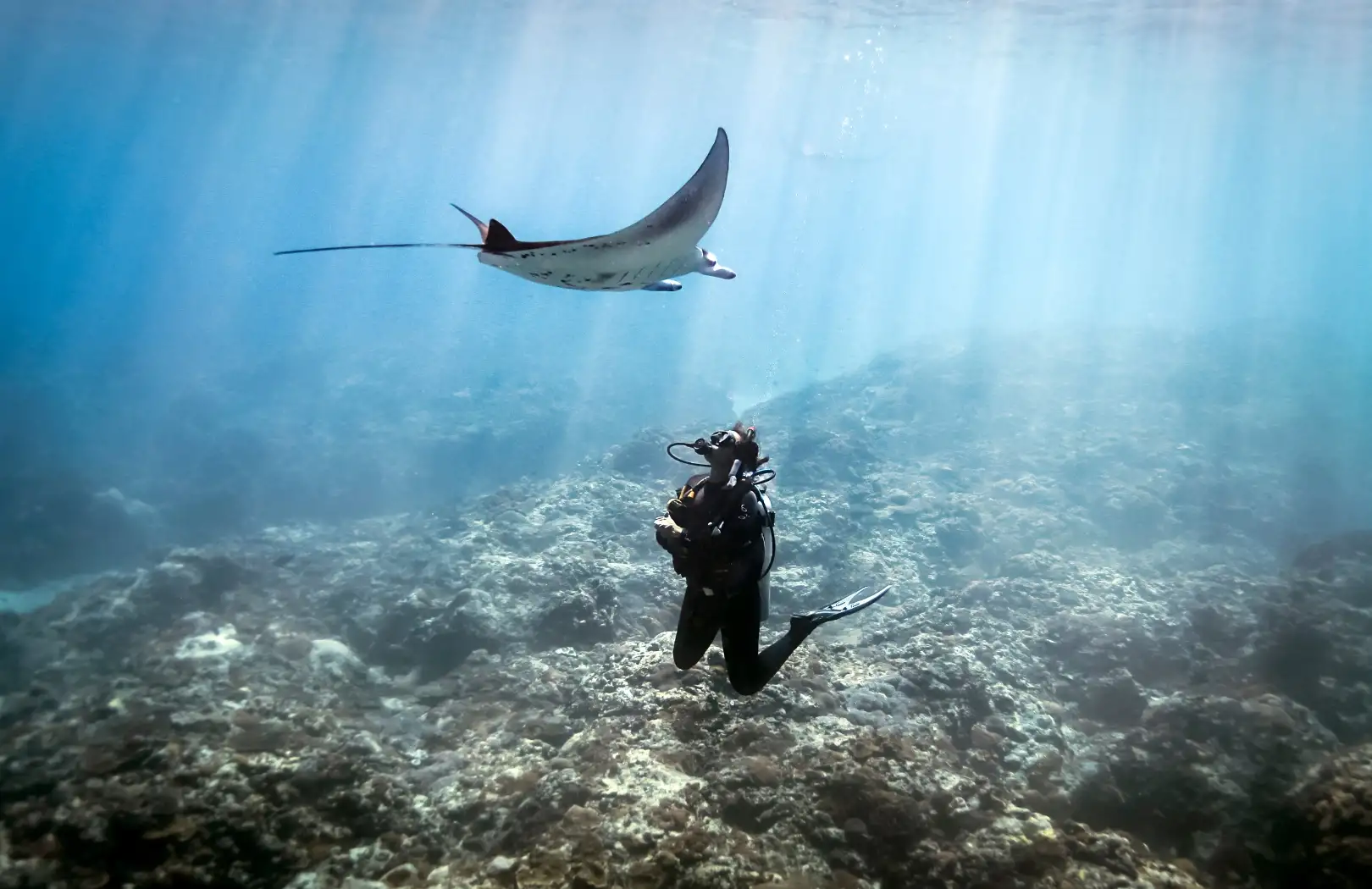
Manta Bay is closer to shore and easier to reach, often requiring only a short boat ride.
Unlike Manta Point, this location is primarily a feeding area. Manta rays pass through more quickly, so sightings can be shorter and less predictable. However, when conditions align, encounters here can be just as magical.
Many tours include Manta Bay as part of a multi-spot snorkeling route, combined with coral reef locations like Gamat Bay or Wall Bay.
Best Time for Manta Ray Snorkeling in Nusa Penida
One of the advantages of Nusa Penida is that manta rays can be seen throughout the year.
That said, certain conditions improve your chances:
- Morning tours generally offer calmer seas and better visibility.
- Dry season from April to October usually provides clearer water.
- Early departures avoid crowds and increase time at the cleaning stations.
Even during peak months, manta rays remain wild animals. Sightings can never be guaranteed 100 percent, but experienced local operators plan routes carefully based on daily sea conditions.
What You’ll See Underwater
Manta rays are the stars, but they are not the only attraction.
Snorkeling around Nusa Penida often reveals:
- Colorful coral gardens
- Schools of tropical fish
- Sea turtles cruising near reef walls
- Occasional reef sharks in deeper areas
The water temperature stays comfortable year-round, and most snorkeling sites are suitable for beginners with proper guidance.
What to Expect on a Typical Manta Snorkeling Tour
Most manta ray snorkeling trips follow a similar flow.
You’ll start with a safety briefing and equipment fitting before boarding a speedboat. After reaching the manta site, guides help guests enter the water and position themselves safely while waiting for mantas to appear.
Tours usually continue to two or three additional snorkeling spots, allowing you to explore coral reefs and marine life beyond manta encounters.
Standard inclusions often cover:
- Snorkeling equipment
- Professional local guide
- Boat transfer
- Mineral water
- Underwater photos or videos
Some packages also include hotel pickup, lunch, or island sightseeing depending on where you start.
Is Manta Ray Snorkeling Safe?
Yes, when done responsibly.
Manta rays are gentle filter feeders with no stingers or teeth. They pose no threat to humans. The main safety considerations relate to ocean conditions rather than the animals themselves.
Good operators enforce clear rules:
- No touching manta rays
- No chasing or diving down toward them
- Keep a respectful distance
- Follow guide instructions at all times
These practices protect both guests and marine life while ensuring sustainable tourism.
What to Bring on Your Snorkeling Day
Packing light is best, but a few essentials help:
- Swimwear
- Towel
- Reef-safe sunscreen
- Dry bag for electronics
- Change of clothes
- Cash for personal expenses
Most tours provide life jackets and flotation aids upon request.
Choosing the Right Manta Ray Tour
Not all snorkeling experiences are the same.
If you value comfort and flexibility, private snorkeling tours allow custom schedules and quieter time in the water. Shared group tours are more budget-friendly but can feel crowded at popular spots.
Look for operators who:
- Limit group sizes
- Use experienced local guides
- Offer underwater documentation
- Provide clear safety briefings
- Avoid rushing between locations
A well-paced tour makes a huge difference in how relaxed and memorable your experience feels.
More Than Just Snorkeling
Many travelers combine manta ray snorkeling with island sightseeing.
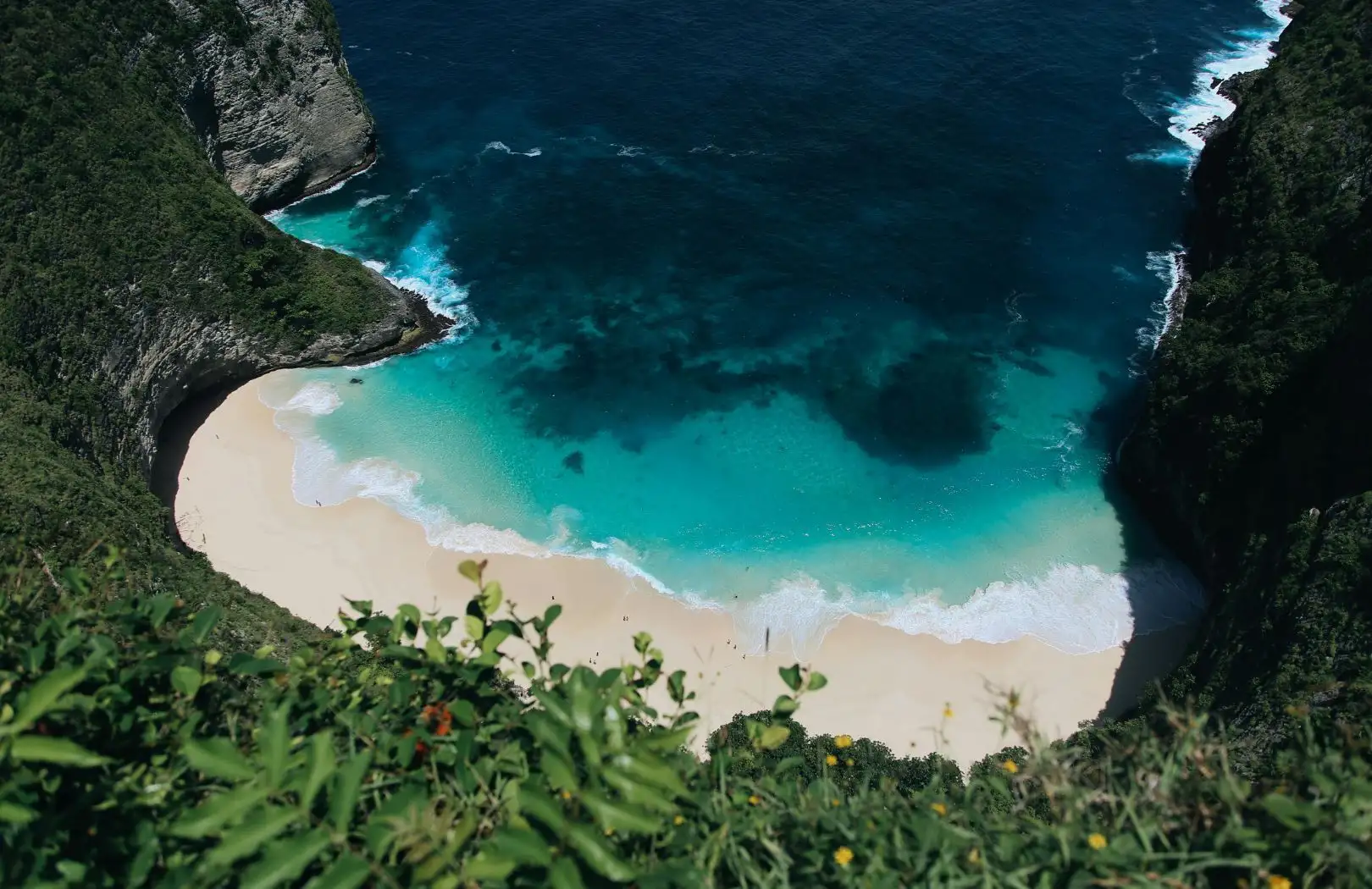
Nusa Penida is home to iconic viewpoints such as Kelingking Beach, Broken Beach, and Angel’s Billabong. Some tours blend land and sea activities into one full-day adventure, offering a deeper look at the island’s landscapes alongside marine exploration.
This combination is ideal if you’re short on time but want a complete Nusa Penida experience.
Manta ray snorkeling in Nusa Penida is more than just an activity. It’s a rare opportunity to connect with nature in one of Bali’s most breathtaking marine environments.
From gliding manta rays to vibrant coral reefs and dramatic island scenery, every moment feels raw, real, and unforgettable. Whether you choose a private snorkeling tour or a guided day trip from Bali, the experience leaves a lasting impression long after you return home.
If you’re planning your island escape, make sure manta ray snorkeling is part of your journey. Few travel memories compare to floating above crystal-clear water while giant mantas move gracefully beneath you.
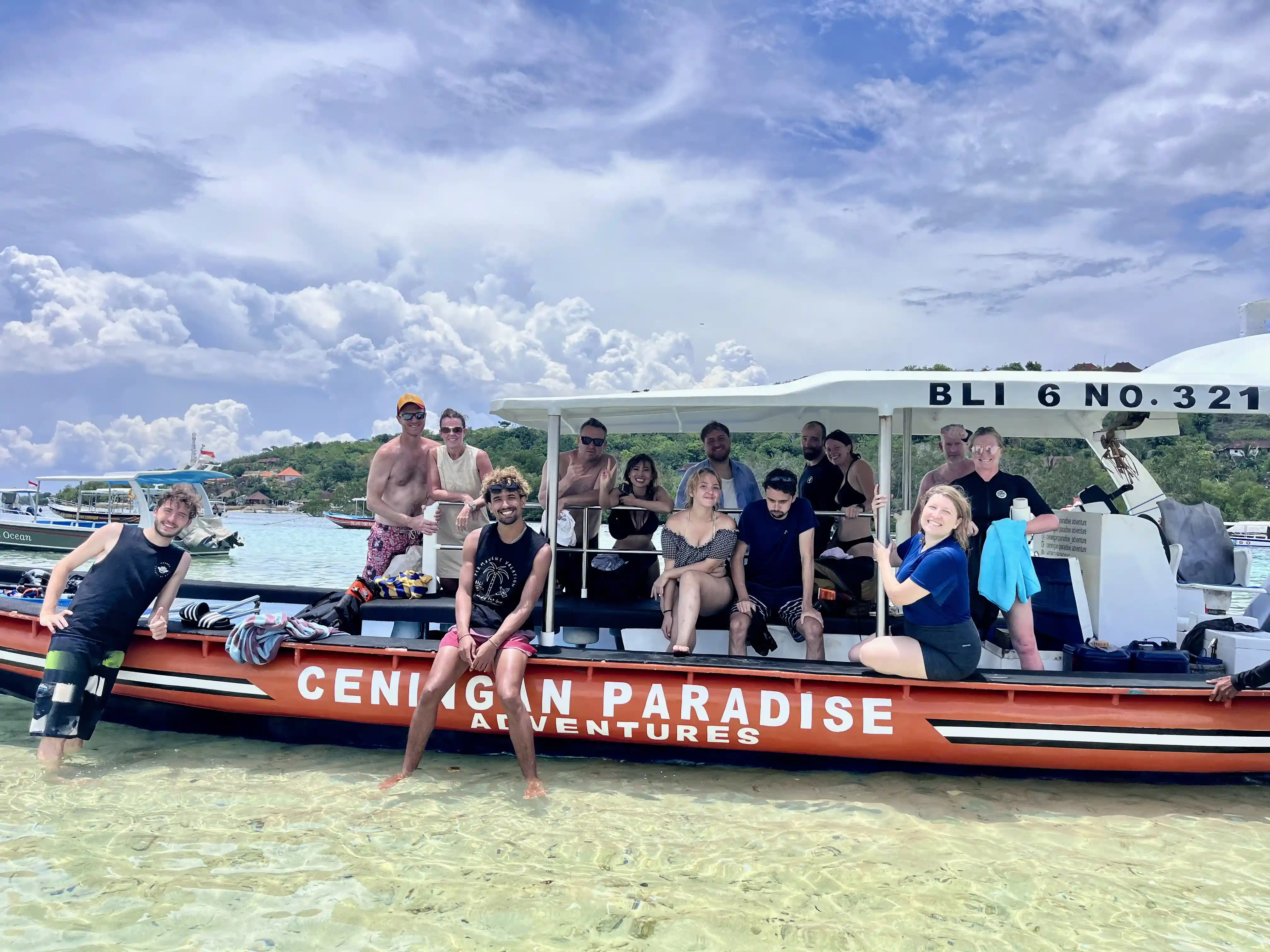
Ready for Your Next Adventure?
Book your trip today and explore the islands with a trusted local operator.

